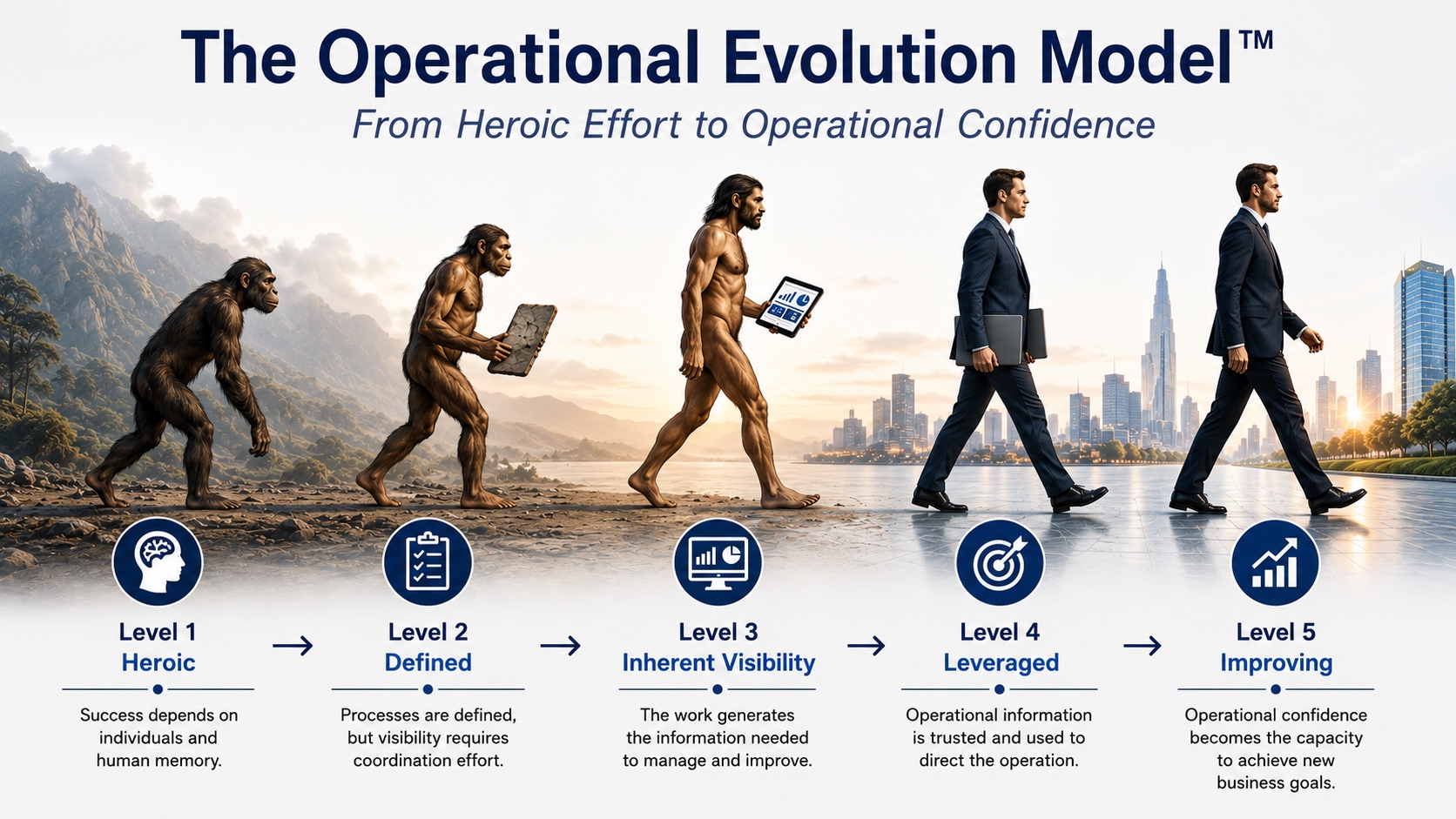
Every area of legal practice has its own operational challenges, and Trust and Estates is no exception.
Estate Planning and Estate Settlement are both highly structured
disciplines, but in each case the work is often poorly served by generic
legal practice management software or ad hoc operational processes
because the operating model needs to reflect the priorities of the work
being performed.
The challenge is to create an operating model that gives the team
confidence that each matter is receiving the attention it requires.
Estate Settlement: Managing Long-Running, Event-Driven Work
Estate settlement is a long-running, event-driven operational process.
A single matter may remain active for several years while progressing
through probate, tax filings, asset collection, creditor notifications,
distributions and final accounting. Different team members become
involved at different stages, and many activities can proceed in parallel.
Unlike many other areas of legal practice, the work cannot simply be
managed against a fixed schedule.
Some activities are triggered by statutory deadlines. Others depend on
events within the matter itself, such as the appointment of a personal
representative, the notification of beneficiaries or the completion of earlier
tasks. The operating model must accommodate both.
Settlement matters also accumulate a significant amount of operational
information. Assets and liabilities must be accounted for, beneficiaries and
fiduciaries coordinated, professional advisers engaged, and clients guided
through what is often an unfamiliar process.
Operational confidence depends on maintaining a shared understanding
of the current state of every matter throughout its lifecycle.
Without that shared understanding, teams spend increasing amounts of
time creating operational visibility through meetings, emails, status updates
and operational conversations simply to reassure themselves that
everything remains on track.
Estate Planning: Managing Predictable Throughput
Unlike estate settlement, most planning matters follow a relatively
consistent sequence of activities: meeting the client, developing
recommendations, preparing documents, executing the plan and
completing any follow-up work.
The operational priority is not managing long-running complexity. It is
maintaining predictable throughput while preserving professional
judgement.
High-performing planning practices aim to deliver consistently excellent
client outcomes through a repeatable operational process while allowing
attorneys the flexibility to develop planning solutions that reflect each
client's individual circumstances.
Although most planning matters are completed within weeks or months, the
firm's responsibilities do not necessarily end when the documents are
signed. Long-term operational responsibilities can include:
• Ongoing trust administration — such as administering Crummey notices
for ILITs and other continuing fiduciary obligations.
• Changes in legislation - identifying planning strategies that may need to
be reviewed as laws evolve.
• Changes within the firm - ensuring planning documents remain
appropriate when attorneys retire, leave the firm or no longer fulfil fiduciary roles.
Operational confidence therefore depends not only on delivering today's
work efficiently, but also on maintaining visibility of tomorrow's
responsibilities.
Operational Confidence Should Be Systematic
Whether an organization focuses on Estate Planning, Estate Settlement or
both, the objective is the same: to create an operating model that reflects
the priorities of the work being performed and gives the team confidence
that every matter is receiving the attention it requires.
Exceptional people will always be essential, but they should spend their
time applying professional judgement to advancing matters—not
remembering, coordinating and tracking the operation.
Your people should be running the system—not being the system.
EstateWorks provides an operational platform that supports both Estate
Planning and Estate Settlement while allowing each discipline to operate
according to its own priorities.
Schedule a Demo